Sourced from vetted OEM manufacturers worldwide
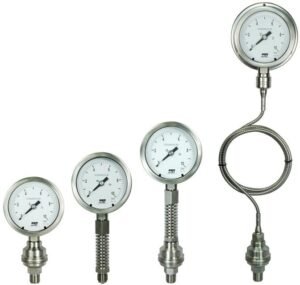
A ruggedized dial gauge built for accurate pressure readout in high-temperature boiler and steam-line environments.
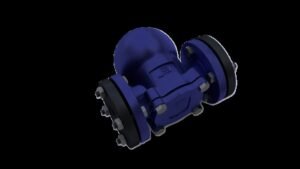
Automatically discharges condensate from steam distribution lines while preventing the loss of live steam, keeping the system running efficiently.
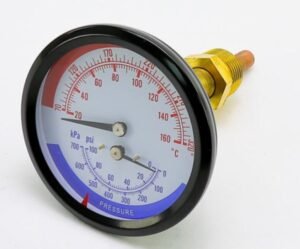
A combined dial gauge set for at-a-glance pressure and temperature readout on boiler mountings.
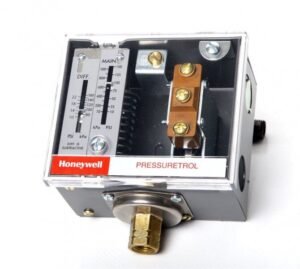
A critical control device that monitors fluid, gas, or air pressure within a system and trips the system when limits are exceeded.
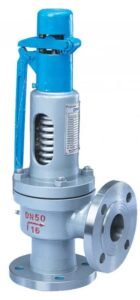
An automatic fail-safe device that releases steam or water when internal pressure goes past safe limits, protecting the boiler from overpressure.
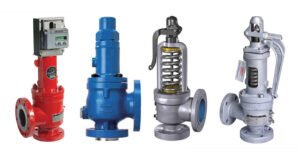
Automatically vents excess pressure from the boiler system, providing a critical second layer of overpressure protection.
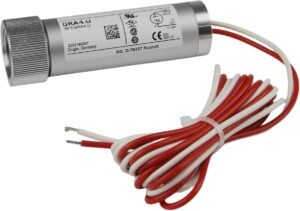
A standard-sensitivity UV flame detector — a safety device that detects the light from an oil or gas burner flame and shuts down fuel supply if the flame is lost.
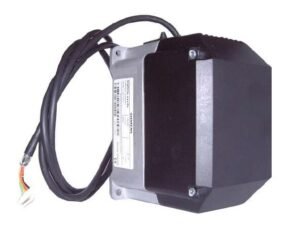
A modulating motor — most commonly a Honeywell Modutrol IV Motor — used to precisely drive fuel valves and air dampers on the burner.
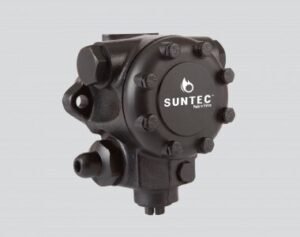
A positive-displacement rotary gear pump that pulls oil or diesel from a storage tank and delivers it under regulated pressure (typically 100–140 psi) to the burner nozzle for clean combustion.
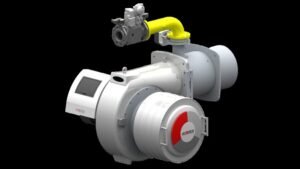
A core device that mixes gas and air in the correct ratio and ignites it to create a stable, high-temperature flame for heating water or generating steam — runs on natural gas, LPG, or biogas.
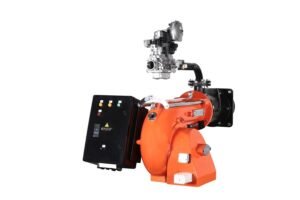
Mixes diesel fuel (or light diesel oil) with forced air and ignites it to create a controlled flame for heating water or generating steam.
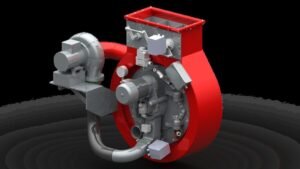
Delivers pressurized furnace oil at the correct temperature, mixing fuel and air and igniting it to shoot hot flames into the heat exchanger.
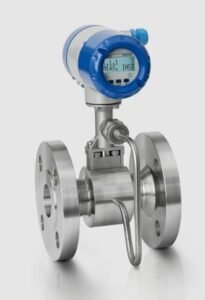
Places a bluff body in the flow path to shed vortices via the von Kármán effect, counting the shed rate to calculate fluid velocity and volume.
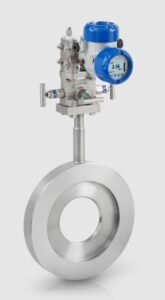
A differential-pressure instrument that measures how fast a liquid, gas, or steam moves through a pipe by constricting flow through a primary element.
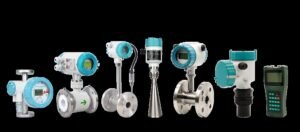
A velocity-based device that measures volumetric flow rate — fluid moving through the pipe spins an internal bladed rotor.
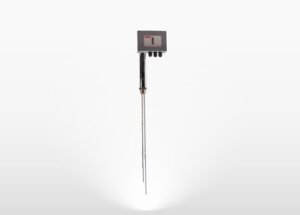
Automatically monitors and regulates the amount of water in the boiler or storage tank, triggering feedwater as needed.
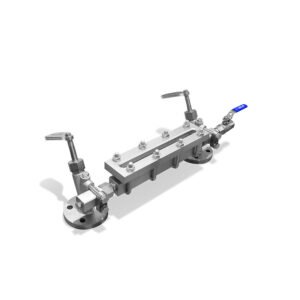
A transparent tube or flat glass window mounted on the boiler that lets operators see the internal water level in real time — a vital visual check.
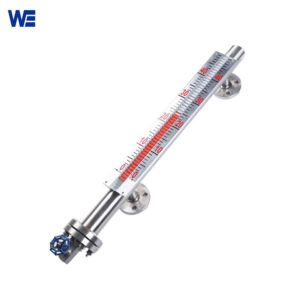
Uses a magnetic float to give a clear, reliable visual indication of boiler water level, even in high-pressure systems.
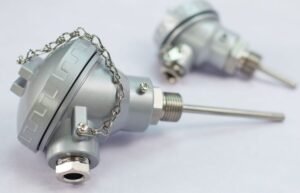
Detects heat or cold and converts it into an electrical signal for the control system — thermocouples and thermistors are common examples.
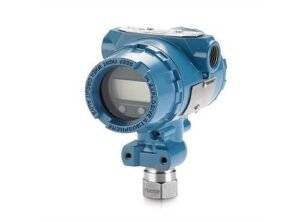
Detects the physical force of gases or liquids in a system and turns it into an electrical signal for monitoring and control.
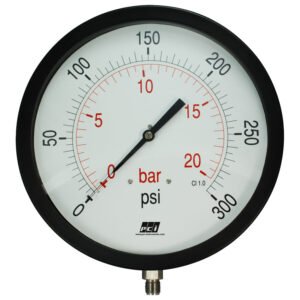
Measures the force exerted by gases or liquids inside a system — helps operators check equipment, find leaks, and keep machines safe.
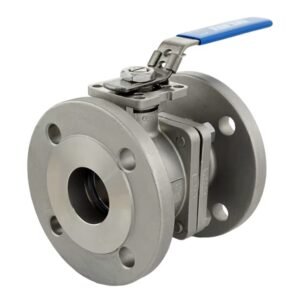
A quick-acting, quarter-turn flow control device that uses a hollow, pivoting spherical ball to stop or start the passage of liquids and gases.
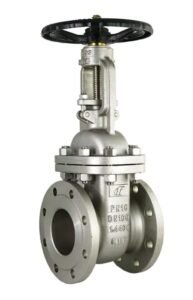
A linear motion isolation valve that opens by lifting a flat or wedge-shaped gate out of the fluid path, providing straight-through flow with minimal resistance and pressure drop.
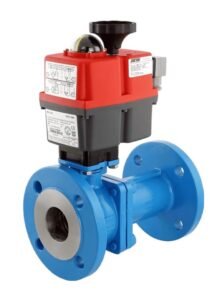
An electrically controlled device that automatically opens, closes, or redirects fluid flow inside a pipe system.
